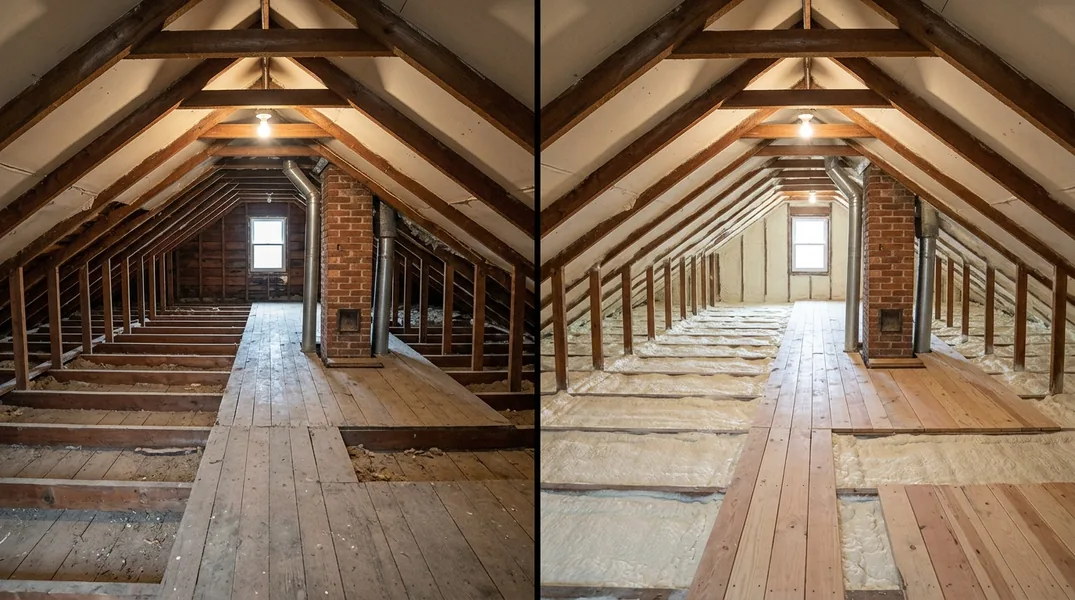
Understanding Green Bay's Spray Foam Permitting Requirements
If you're planning an Attic Spray Foam Insulation project in Green Bay, one of the first questions you should ask is whether you need a permit. The answer isn't always straightforward, and it depends on the scope of your work and local building codes. Green Bay follows Wisconsin's building code standards, which means most spray foam insulation projects do require a building permit before work begins.
The permitting process exists to protect homeowners and ensure that insulation work meets safety and energy efficiency standards. When you're adding insulation to your attic or walls, inspectors want to verify that the materials used meet fire safety codes and that the installation follows proper procedures. This is especially important with spray foam, since the type you choose, whether Open Cell Spray Foam Insulation or Closed Cell Spray Foam Insulation, affects how the permit application is processed. Don't skip this step, even if you're tempted to save time or money. Working without a permit can result in fines, problems with your homeowner's insurance, and complications when you sell your home.
Open Cell vs Closed Cell Spray Foam: How It Affects Your Permit
One of the most important decisions you'll make is choosing between open cell and closed cell spray foam. This choice directly impacts your permitting process because building inspectors in Green Bay have different requirements for each type. Open cell spray foam is less dense and more flexible, making it a popular choice for interior applications like attic insulation. It's also typically more affordable and easier to install in tight spaces. However, open cell foam is more permeable, which means moisture can pass through it more easily. This characteristic is important to disclose on your permit application because it affects ventilation requirements in your attic.
Closed cell spray foam, on the other hand, is denser and more rigid. It offers superior moisture resistance and a higher Closed Cell Spray Foam Insulation R-value, which means it provides better thermal resistance in thinner applications. The closed cell spray foam R value typically ranges from 6 to 7 per inch, compared to open cell's 3.5 to 3.6 per inch. When you apply for a permit, the inspector will ask which type you're planning to use because it determines whether additional vapor barriers or ventilation strategies are needed. Some Green Bay homes in older neighborhoods may have specific requirements based on their existing structure and climate considerations. Your contractor should help you understand these differences when you're preparing your permit application.
The Permit Application Process in Green Bay
The actual permit application process in Green Bay typically starts at the Building Inspection Department. You'll need to fill out a standard building permit form and provide details about your project, including the square footage of the area being insulated, the type of spray foam you're using, and the contractor performing the work. If you're working with Green Bay Spray Foam Insulation, we can help guide you through this paperwork and ensure all the technical specifications are correct. The application will ask for the spray foam R value you're targeting, which is why understanding the difference between open and closed cell options matters before you submit.
Once your application is submitted, there's typically a review period of a few business days to a couple of weeks, depending on how busy the department is. The inspector will examine your plans to ensure they comply with current Wisconsin building code standards. They'll pay special attention to fire safety ratings, vapor barrier requirements, and ventilation details. If everything is in order, you'll receive your permit and can schedule an inspection. Many homeowners are surprised to learn that there's often an inspection after the foam is applied, not just before. This final inspection ensures the work was completed according to the approved plans and meets all safety standards.
Fire Safety Codes and Spray Foam in Green Bay
Fire safety is a critical concern when it comes to spray foam insulation, and it's the primary reason why permits exist. Wisconsin's building code requires that spray foam be covered with a thermal barrier in certain applications, typically a 15-minute fire rating. This means that if your spray foam is exposed in an attic or crawl space, it must be covered with drywall, plaster, or another approved material. Some homeowners don't realize this requirement until they're deep into their project, which is why the permitting process catches it early. The inspector will specifically ask about your thermal barrier plan when you apply for your permit.
The type of spray foam you choose can affect these requirements. Open cell foam generally requires more robust thermal barrier protection because it's more flammable. Closed cell foam has better fire-resistant properties, though it still typically requires coverage. When you're planning your project with Green Bay Spray Foam Insulation, understanding these fire safety codes helps you budget for the additional materials and labor needed for proper coverage. It's not just about passing inspection, it's about protecting your home and family. Never skip the thermal barrier requirement, even if it adds cost to your project.
Working with Contractors: Ensuring Permit Compliance
One of the smartest decisions you can make is hiring a contractor who understands Green Bay's permitting requirements inside and out. A reputable spray foam company will handle the permit application process for you or at least guide you through it carefully. They'll know which inspectors have specific preferences, what documentation is typically required, and how to avoid common mistakes that delay projects. When you contact Green Bay Spray Foam Insulation at (920) 247-2669 for a free estimate, we can discuss the permitting timeline and what to expect. This conversation is essential because permit delays can push back your installation date, especially if you're trying to complete the work before winter.
Your contractor should also be able to explain the differences between open cell and closed cell options in the context of your specific home and local codes. They can recommend which type makes sense for your attic or walls based on your climate, moisture concerns, and budget. A good contractor will never pressure you to skip the permit process or suggest ways to avoid inspection. If someone does, that's a red flag. The permit process exists to protect you, and working with a company that respects it is a sign of professionalism and integrity. Ask any potential contractor about their experience with Green Bay permits before you hire them.
Timeline and Cost Considerations for Your Spray Foam Project
Understanding the permitting timeline helps you plan your spray foam insulation project more effectively. From the moment you submit your application to the final inspection, you should expect the process to take anywhere from two to four weeks, depending on how busy the Building Inspection Department is and whether any revisions are needed. This timeline is important to factor in if you're trying to complete your insulation work before the heating season begins. Many homeowners in Green Bay schedule their projects for late summer or early fall to avoid winter weather delays and to ensure their homes are properly insulated before cold temperatures arrive.
The pricing of your spray foam project will include permit costs, contractor fees, materials, and labor. Permit fees in Green Bay are typically modest, usually ranging from $50 to $150 depending on the project size, but you should verify the current fee with the Building Inspection Department. The bigger cost factor is the type of spray foam you choose. Closed cell foam costs more per board foot than open cell, but it delivers superior spray foam R value and moisture protection. If you're insulating an attic or considering Wall & Injection Foam Insulation for older homes, your contractor can help you understand which option provides the best return on investment for your specific situation. When you're ready to discuss your project and get an accurate estimate, reach out to Green Bay Spray Foam Insulation at (920) 247-2669 or request a free estimate online.
Looking for a professional spray foam insulation contractor in Green Bay? Green Bay Spray Foam Insulation responds fast for all your spray foam insulation needs.
Get a Free Quote